Jul 2, 2026 | Heat Roof Damage, New Jersey, Roof Damage
Updated July 2, 2026
If you’ve stepped outside anywhere in Passaic, Bergen, or Essex County this week, you’ve felt it: temperatures near 97°F with heat index values around 105°F across Wayne, Paterson, Clifton, Hackensack, Newark, and the rest of northern New Jersey. While most of us are worried about staying cool indoors, your roof is taking the worst of it — and if your attic isn’t properly ventilated, this kind of heat can quietly take years off your shingles’ life.
What Extreme Heat Actually Does to an Asphalt Shingle Roof
On a 97-degree day, the surface of a dark asphalt shingle roof can reach 150–170°F. That heat doesn’t just sit on the surface. Here’s what it does over time:
It bakes the asphalt. Shingles are made of an asphalt core coated in protective granules. Sustained high heat dries out the asphalt’s oils, making shingles brittle. Brittle shingles crack, curl at the edges, and lose granules faster — you’ll often see those granules collecting in your gutters.
It breaks the seal. Shingles are bonded to each other with a heat-activated adhesive strip. Repeated extreme heating and overnight cooling cycles — exactly what we’re getting this week in northern NJ, with 90s by day and 70s at night — cause expansion and contraction that can fatigue those seals. Unsealed shingles are the first thing to blow off in the next thunderstorm or nor’easter.
It warps decking and flashing. The plywood under your shingles and the metal flashing around chimneys and vents expand at different rates in extreme heat. Over repeated heat waves, that movement can open gaps that let water in.
Why Attic Ventilation Is the Difference-Maker
Here’s the part most homeowners in Wayne, Fair Lawn, Montclair, and surrounding towns don’t realize: two identical roofs in the same heat wave can age at dramatically different rates depending on what’s happening under the shingles.
A poorly ventilated attic in this week’s weather can easily hit 140–160°F. That trapped heat cooks your shingles from below at the same time the sun cooks them from above. It’s the roofing equivalent of a frying pan heated on both sides. Manufacturers know this — inadequate attic ventilation can actually void or reduce shingle warranty coverage.
A properly ventilated roof system uses intake vents (usually at the soffits) and exhaust vents (ridge vents, box vents, or gable vents) to pull cooler outside air through the attic continuously. In a well-ventilated attic, temperatures stay much closer to the outdoor temperature. The results:
- Shingles run cooler and keep their flexibility and granules longer
- Your AC works less, because less attic heat radiates into your living space — many homeowners see the difference on summer electric bills
- In winter, the same ventilation helps prevent ice dams — so it’s a year-round fix
Signs Your Roof Is Suffering From Heat and Poor Ventilation
Walk around your house (from the ground — please don’t climb up in this heat) and look for: shingle edges curling upward or “clawing” downward, cracked or blistered shingles, dark streaks or bald spots where granules have worn away, and granules accumulating in gutters and downspouts.
Inside, warning signs include a second floor that won’t cool down, an attic that feels like an oven by mid-morning, and AC that runs constantly. If your home in Paterson, Teaneck, Bloomfield, or anywhere in our service area was built before ridge vents became standard practice, there’s a good chance your ventilation is undersized for the roof.
What to Do Next
Heat damage is gradual, which makes it easy to ignore — until the weakened shingles fail during the next storm. The smart move is a professional inspection that looks at both the shingle surface and the ventilation system: intake vents, exhaust vents, insulation baffles, and attic temperatures. If ventilation is the problem, fixes range from adding a ridge vent or clearing blocked soffit vents (relatively inexpensive) to a ventilation redesign during your next roof replacement.
One honest note on insurance: homeowners policies generally cover sudden storm damage, not gradual wear from heat or aging. That’s exactly why catching heat stress early matters — repairs on your terms are always cheaper than an emergency after a blow-off. If a storm does damage heat-weakened shingles, document everything with photos, get a professional inspection report, and see our storm damage repair page for next steps.
Frequently Asked Questions
Can extreme heat really damage a roof in New Jersey?
Yes. Sustained temperatures in the 90s–100s can push shingle surface temperatures past 150°F, drying out asphalt, cracking shingles, and breaking adhesive seals — especially on roofs with poor attic ventilation.
How do I know if my attic is properly ventilated?
Rough rule: your attic shouldn’t feel drastically hotter than the outdoors. Check that soffit vents aren’t blocked by insulation and that you have ridge or exhaust vents. A professional inspection can measure whether your intake/exhaust balance meets code — generally 1 square foot of net vent area per 150 square feet of attic floor.
Will poor ventilation void my shingle warranty?
It can. Most major shingle manufacturers require adequate attic ventilation as a warranty condition. If your roof was installed without proper venting, coverage may be reduced or denied.
Does homeowners insurance cover heat-damaged shingles?
Usually not — insurance typically covers sudden events like wind or hail, not gradual heat wear. But heat-weakened shingles fail more easily in storms, and storm damage generally is claimable. Document your roof’s condition now so you have a baseline.
Is This Heat Wave Cooking Your Roof?
Simple Roofing offers free roof and attic ventilation inspections across Passaic, Bergen, and Essex counties — Wayne, Clifton, Paterson, Hackensack, Newark, Montclair, and beyond. Catch heat stress before it becomes a leak.
Call now: (201) 429-9607 or schedule your free roof inspection today.
Jun 10, 2026 | Blog, Gutter Replacement, New Gutter Cost, New Jersey, Uncategorized
Updated June 2026
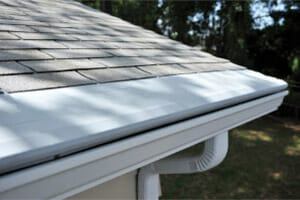
Straight answer: seamless aluminum gutters in New Jersey cost $8–$16 per linear foot installed in 2026. An average NJ home with ~160 linear feet of gutter and downspouts lands between $1,400 and $3,200.
2026 pricing by gutter type
| System |
Installed cost / linear ft |
| Seamless 5″ K-style aluminum (standard) |
$8–$13 |
| Seamless 6″ heavy-duty aluminum |
$10–$16 |
| Copper |
$25–$40 |
| Gutter guards (micro-mesh, added) |
$8–$12 |
| Old gutter removal/disposal |
$1–$4 |
What changes your price
- 5″ vs. 6″. Larger roofs and steep pitches shed more water than 5″ gutters handle. Much of northern NJ’s housing does better with 6″ — we’ll tell you which yours needs at the inspection, with the math.
- Built-in gutters. Many older homes in Clifton, Paterson, and Passaic have gutters framed into the roof itself. When they rot, they leak behind the fascia and into walls. Converting them to modern seamless gutters is carpentry plus gutter work — typically $2,500–$6,000 depending on damage — and it’s one of our specialties during roof replacement.
- Stories and accessibility. Two- and three-story homes (most of our Newark, Elizabeth, and Passaic work) cost more per foot than ranches.
- Downspout count. More downspouts move water better; cheap quotes often cut them.
Why gutters and roofs should be done together
When we replace a roof, gutters come off and go back on anyway — bundling new gutters with a roof replacement saves the second mobilization cost and puts your entire water-shedding system under one warranty. Most of our gutter installs happen exactly this way.
Are sagging gutters damaging your roof?
Failed gutters cause ice dams in NJ winters, rot fascia boards, and dump water against your foundation. If your gutters overflow in heavy rain or grow icicles in January, the gutter system is failing at its one job. A free inspection tells you whether you need cleaning, re-pitching, or replacement. More: Gutter Installation.
Frequently asked questions
How much do seamless gutters cost for a whole house in NJ?
Most single-family homes: $1,400–$3,200 installed. Larger homes, 6″ systems, and guards push toward $4,000–$5,000.
Are gutter guards worth it?
Under heavy tree cover (Bloomfield, Hackensack, Maywood — we’re looking at you), usually yes: $8–$12/ft buys years of not climbing ladders.
How long do aluminum gutters last?
20+ years when properly pitched and maintained.
Get a free gutter check
We inspect your gutters with every roof inspection — free. Schedule yours or call (201) 429-9607.
Jun 10, 2026 | Blog, New Jersey, Roof Replacement Reasons, When To Replace a Roof
Updated June 2026
Half of our inspections end with “you don’t need a new roof yet” — and that honesty is in our reviews. The other half show one or more of the signs below. Here’s how we tell the difference, and how you can make a first call from your driveway.
1. Your roof is 20+ years old
Asphalt shingle roofs in NJ last 20–30 years. If yours was installed before ~2006, it’s living on borrowed time even if it “looks fine” — granule loss and brittleness aren’t visible from the ground.
2. Shingles in the yard after storms
Wind doesn’t usually take the first shingle from a healthy roof. If storms keep pulling shingles off, the adhesive seal across the whole roof has likely failed. This is also the sign most likely to involve an insurance claim — document the date, save the shingle pieces, and call us before your carrier (our public-adjusting background is why). See Storm Damage Repair.
3. Curling, cupping, or clawing shingle edges
Shingle edges that curl up or claw down mean the mat is finished. No repair fixes this — it spreads across the field of the roof.
4. Granules filling your gutters
Black sand in gutters and at downspout exits is your shingles shedding their protective layer. Some shedding is normal in the first year; on an older roof it means the end is near.
5. Water stains on ceilings — in more than one spot
One stain can be a flashing repair (often a few hundred dollars — and if that’s what it is, that’s what we’ll quote). Stains in multiple rooms mean water is traveling along the deck: replacement territory. Start with roof repair if it’s localized.
6. Moss, algae streaks, and spongy decking
Streaks are cosmetic. Moss with a spongy feel underfoot is not — it means moisture is in the deck. Common under heavy tree cover across Bergen and Essex counties.
7. Your neighbors are all replacing their roofs
Sounds like a joke; isn’t. NJ neighborhoods were built in waves, and roofs fail in waves. If three houses on your street got roofs this year, the same age and weather apply to yours.
Repair or replace? The honest framework
- Repair when: damage is localized (one valley, one flashing point, a small wind-torn patch) and the roof is under ~15 years old.
- Replace when: signs 1, 3, or 4 are present, leaks show in multiple places, or repair costs start stacking against a roof near end-of-life.
Our free drone inspection settles it with photos you can see yourself — no ladder salesmanship, no pressure. If it’s a $600 flashing fix, that’s the quote you’ll get.
What it costs if you do need one
Full 2026 pricing here: How Much Does a Roof Replacement Cost in NJ? — short version: most homes $8,500–$22,000, financing available including 2-years-no-interest. See also Roof Replacement.
Frequently asked questions
How often should I have my roof inspected in NJ?
Every 2–3 years after age 10, and after any storm that leaves debris in your yard. Ours are free, so the math is easy.
Can I just replace the missing shingles?
If the surrounding shingles still seal, yes. If they’re brittle and crack on lifting, patching is throwing money at a roof that’s done.
Does insurance cover an old roof?
Insurance covers damage, not age. But storm damage on an older roof is still claimable — proper documentation makes the difference, and that’s our specialty.
Find out for sure — free
A free drone inspection gives you a clear answer and photos to back it. Book yours or call (201) 429-9607.
Jun 10, 2026 | Blog, Costs, New Jersey, Roof Replacement
Updated June 2026
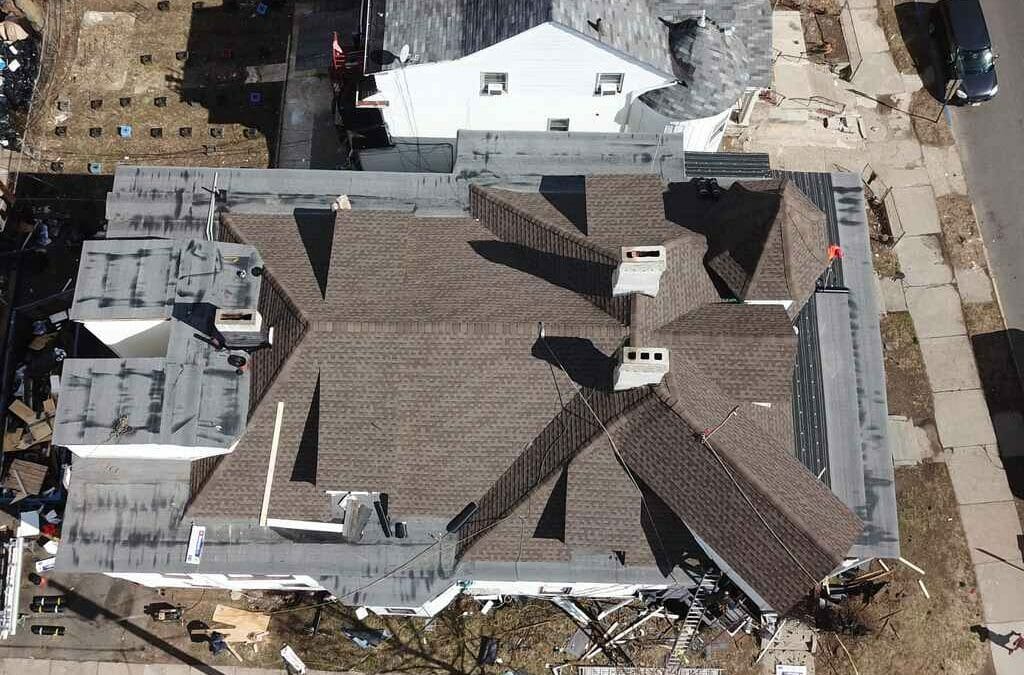
If you’re getting quotes for a new roof in northern New Jersey, here’s the honest number up front: most asphalt shingle roof replacements in NJ cost between $8,500 and $22,000 in 2026, with the typical single-family home landing around $12,000–$14,000. We’re a roofing contractor — these are the prices we actually charge and the prices we see competitors charge across Passaic, Bergen, and Essex counties.
Below is what drives your number up or down, so you can spot both a lowball and a rip-off.
2026 cost by home size (asphalt shingle, full tear-off)
| Home size |
Roof area (approx.) |
Typical installed cost |
| Small cape / ranch (1,000–1,300 sq ft) |
13–18 squares |
$8,500–$11,500 |
| Average colonial / split (1,500–2,000 sq ft) |
20–28 squares |
$11,000–$16,000 |
| Large colonial (2,500+ sq ft) |
30–40+ squares |
$16,000–$22,000+ |
| Two-family home |
varies |
$10,000–$18,000 |
(A “square” = 100 sq ft of roof surface. Your roof area is larger than your floor area because of pitch and overhangs.)
Why New Jersey costs more than the national average
NJ roof prices run roughly 20–40% above the national average, for real reasons: labor rates of $55–$95/hour vs. $45–$70 nationally, strict building codes, high dumping/disposal fees, and older housing stock that needs decking work. Any quote that ignores these realities is cutting a corner you’ll pay for later.
What moves your price
- Tear-off layers. One layer off is standard. Two layers (very common on northern NJ homes last roofed in the 80s–90s) adds labor and disposal — and NJ code doesn’t allow a third layer, so layering over is not an option.
- Decking condition. Plank decks on pre-1960s homes often need sections replaced. We quote per-sheet pricing up front (ask any contractor to do the same — in writing).
- Pitch and complexity. Steep roofs, dormers, valleys, and chimneys add labor.
- Shingle grade. 3-tab shingles run $7,000–$10,000 for an average home but carry shorter warranties and lower wind ratings. Architectural shingles (GAF Timberline HDZ — what we install) are the NJ standard. Designer lines and metal run $20,000–$34,000+.
- Ice & water barrier. NJ winters demand membrane at eaves and valleys. Skipping or skimping here is the classic lowball move.
Will insurance pay for your roof?
If your roof has wind or hail damage, your homeowner’s policy may cover replacement — and this is where we’re different from every other contractor who’ll quote you: our team has years of hands-on insurance claim experience. We document damage the way carriers require, and we’ll tell you honestly whether your roof qualifies before you file. Storm damage? Start here: Storm Damage Repair.
Financing a roof in 2026
A needed roof shouldn’t wait on cash flow. We offer plans through Sunlight Financial and Foundation Finance, including 2-years-no-interest. Details: Financing.
How to compare quotes (the 60-second checklist)
- Full tear-off included, or layover? (Should be tear-off.)
- Decking replacement priced per sheet, in writing?
- Ice & water membrane — where exactly, and how far up the eaves?
- Manufacturer warranty (lifetime?) AND workmanship warranty (we give 10 years).
- Who’s actually on your roof — employees of the company, or a broker’s sub crew?
We roof homes throughout northern NJ, including Wayne, Clifton, Paterson, and Hackensack.
Frequently asked questions
What does a roof replacement cost in NJ in 2026?
Most single-family homes: $8,500–$22,000, typically $12,000–$14,000 for an average colonial with architectural shingles, full tear-off included.
Is it cheaper to roof over my old shingles?
Slightly cheaper today, much more expensive later — and only legal if you have a single layer now. We almost always recommend tear-off.
How long does a replacement take?
Most northern NJ homes: one day.
Does homeowners insurance cover roof replacement?
For storm damage, often yes — if documented properly. Our public-adjusting background is exactly for this. Free inspection first, claim advice included.
Get an exact number for your roof
We’ll give you a free drone inspection and an exact written quote — no pressure, no ladder salesmen. Schedule your free inspection or call (201) 429-9607.
Nov 25, 2023 | New Jersey, winter roof maintenance, winter roof prep
Is your roof fully prepared for the winter months in New Jersey? As a homeowner in the New Jersey area, it’s pivotal that your roofing can adequately protect you and your belongings from the upcoming cold weather.
So, what can you do to ensure your roofing and home is winter-ready? In this article, we will dive into 4 tips for winter-proofing your New Jersey roof.
Schedule a Full Roof Inspection: Tip 1
The first tip to winter-proofing your New Jersey roof is to schedule a roof inspection. Having a professional roofing inspection done on your house is a great way to discover the main issues that need to be addressed before the winter comes. You may find that your roofing has been damaged over the summer months due to storm damage or even just the summer heat.
This damage can range from broken and missing shingles to water pooling, leaks, loose granules, dented roofing, and damaged gutters. Hiring a local and reputable roofing company will ensure that your roof is thoroughly inspected and that you are given the best solutions for your roofing needs.
Clean Your Gutters & Clear Away Branches: Tip 2
In New Jersey, the winter months can bring a lot of melting ice and harsh snowstorms. It’s a good idea to regularly maintain, clean, and inspect your gutters to make sure they are effectively channeling water away from your roofing and home. Cleaning your gutter system and downspouts of all the debris and leaves will help your gutter system remain unclogged and prevent it from overflowing and causing ice dams or other costly water damage.
If you can safely do so, we recommend removing any weak branches or overgrown foliage near your roofing and home. Trimming and clearing away overhanging branches will help prevent them from falling on your home in New Jersey and causing various levels of damage.
Upgrade Your Insulation & Ventilation: Tip 3
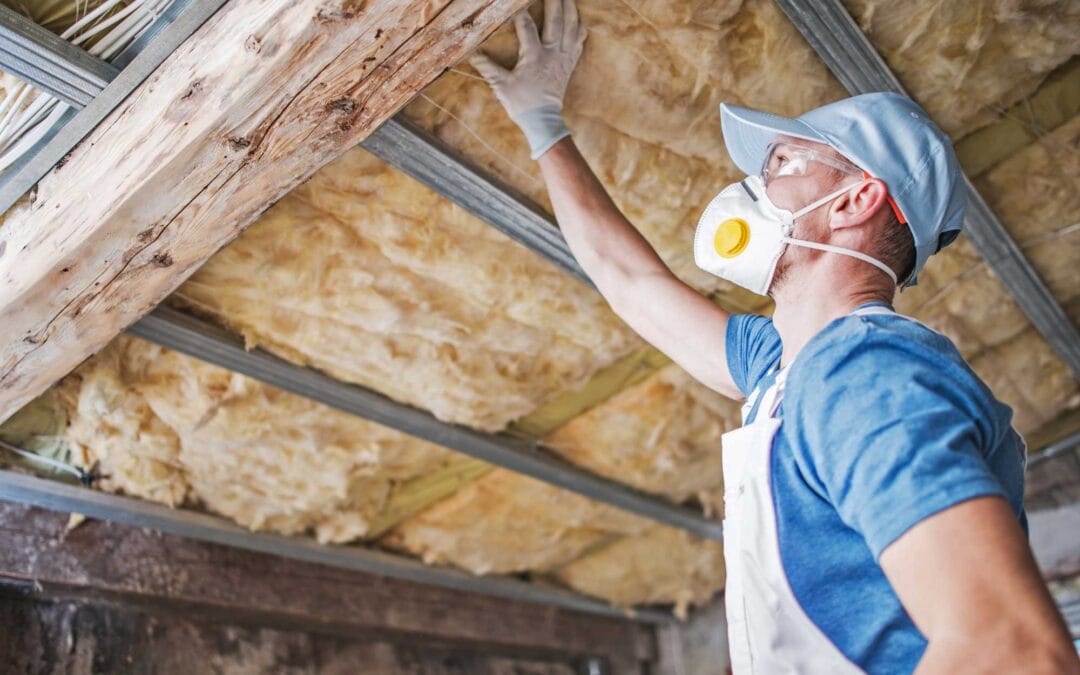
Have you noticed irregular temperatures in your home? Before it gets too cold, it’s a great idea to ensure that your home is properly insulated and ventilated. Having a professional inspection done will help you evaluate if there is more insulation that should be added that will help you regulate your home’s temperature, reduce your monthly electric bills, and ensure that you will stay warm this upcoming winter season.
Plan for an Emergency: Tip 4
It’s always a smart idea to have a plan in place for any emergency damage that your roofing and home may sustain during the winter months. Make sure that you gather storm damage resources from your local government in New Jersey. You can often find online guides on ways to prepare for various types of storms through your local government’s emergency management page. It’s also a good idea to choose a local roofing company that you know has experience with storm damage repair and restoration.
Why Choose Simple Roofing?
Planning ahead and winter-proofing your roof will help give you peace of mind during the upcoming winter months. Simple Roofing is dedicated to providing New Jersey and the surrounding area with honest communication, superior customer service, and long-lasting and personalized home improvement solutions. At Simple Roofing, our goal is to be a professional roofing contractor that you can rely on.
We provide a variety of services that include: asphalt shingle roofing, residential roof repairs & replacements, seamless gutter installations, and emergency storm damage repairs.
Call us today to learn more about our offerings or to schedule a free inspection!
Aug 8, 2023 | Blog, Heat Roof Damage, New Jersey, Summer Roof Problems
As summer sets in, residents of New Jersey can finally enjoy the warm weather and longer days. However, the summer season can also bring about various challenges for homeowners, particularly when it comes to their roofs. Extreme temperatures, humidity, and severe weather can all contribute to roof problems that require immediate attention. Summer can bring several roof complications. We will explore seven common summer roof problems faced by homeowners and how Simple Roofing can provide the necessary solutions to keep your home safe and secure.
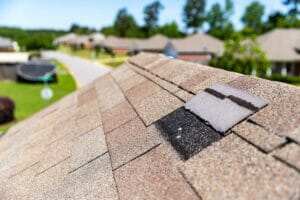
Roof Leaks
One of the most prevalent roof problems during the summer is roof leaks. Heavy rain and storms can wreak havoc on your roof’s integrity, causing leaks that can lead to water damage inside your home. Leaks may appear as discolored patches on your ceiling, water stains, or even dripping water. Ignoring roof leaks can result in compromised structural integrity and higher repair costs. Simple Roofing’s team of skilled professionals can quickly identify and fix these leaks, ensuring your home stays dry and protected throughout the summer.
Shingle Damage
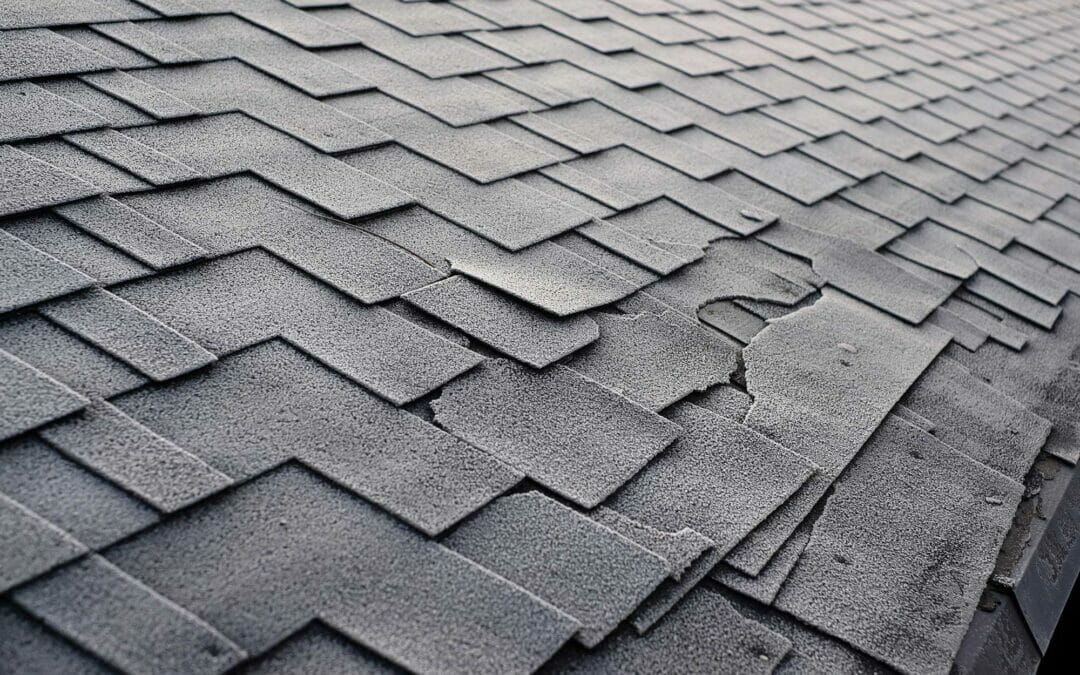
The intense summer sun can take a toll on your roof’s shingles. Over time, shingles can become cracked, curled, or warped due to constant exposure to UV rays and high temperatures. Damaged shingles can jeopardize the effectiveness of your roof, leading to leaks and reduced energy efficiency. Simple Roofing specializes in shingle roof replacement, using high-quality materials that withstand the summer climate, ensuring your roof remains in top condition.
Roof Ventilation Issues
Proper roof ventilation is crucial to maintaining a comfortable indoor environment and extending the life of your roof. During the summer, heat and humidity can build up in your attic, leading to various problems like increased energy bills and potential damage to the roof structure. Simple Roofing offers professional roof ventilation services, ensuring that your attic stays well-ventilated and cool, even during the hottest days.
Gutter Clogs and Damage
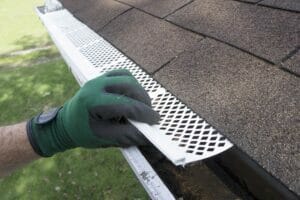
Summer storms can cause debris, leaves, and branches to accumulate in your gutters, leading to clogs and improper water drainage. Clogged gutters can result in water overflowing onto your roof, causing damage to the shingles and promoting the growth of mold and mildew. Simple Roofing provides comprehensive gutter cleaning and repair services to prevent water-related roof issues and protect your home from potential water damage.
Pest Infestations
As temperatures rise, pests like insects, birds, and rodents seek shelter in cool and dark places, including your roof and attic. These pests can cause extensive damage to your roofing materials and insulation, leading to compromised structural integrity and additional repair costs.
Cracked Flashing
Flashing is the material used to seal joints and prevent water from seeping into vulnerable areas of the roof, such as chimneys, skylights, and vents. However, extreme weather conditions can cause flashing to crack or deteriorate, leading to water infiltration and subsequent leaks. Simple Roofing’s team of experts can inspect and replace damaged flashing, ensuring your roof remains watertight and secure.
Mold and Mildew Growth
Summer’s combination of heat and humidity can create the perfect environment for mold and mildew to thrive on your roof. Mold and mildew not only detract from your home’s appearance but can also compromise the structural integrity of your roof over time. Cleaning the roof is essential in removing mold and mildew. If you have concerns about cleaning, seek professional assistance.
Summer roof problems can be a significant concern for homeowners in New Jersey. However, with Simple Roofing’s expertise and comprehensive services, these issues can be efficiently addressed and prevented. From roof leaks and shingle damage to ventilation issues and pest infestations, we have the solutions to keep your roof in optimal condition throughout the summer season. Don’t wait for these problems to worsen; reach out to Simple Roofing today to ensure a safe, secure, and worry-free summer for your home.
 (201) 429-9607