(201) 429-9607

How This Week’s Extreme Heat Damages Roof Shingles in Northern NJ (And Why Attic Ventilation Is the Fix)
Updated July 2, 2026
If you’ve stepped outside anywhere in Passaic, Bergen, or Essex County this week, you’ve felt it: temperatures near 97°F with heat index values around 105°F across Wayne, Paterson, Clifton, Hackensack, Newark, and the rest of northern New Jersey. While most of us are worried about staying cool indoors, your roof is taking the worst of it — and if your attic isn’t properly ventilated, this kind of heat can quietly take years off your shingles’ life.
What Extreme Heat Actually Does to an Asphalt Shingle Roof
On a 97-degree day, the surface of a dark asphalt shingle roof can reach 150–170°F. That heat doesn’t just sit on the surface. Here’s what it does over time:
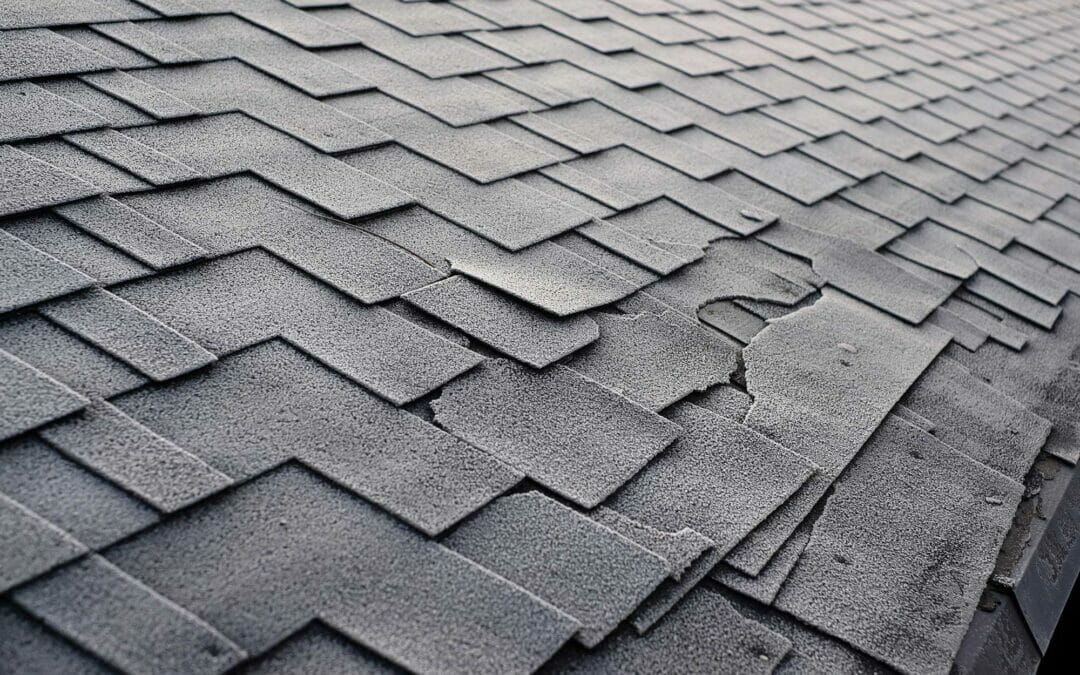
It bakes the asphalt. Shingles are made of an asphalt core coated in protective granules. Sustained high heat dries out the asphalt’s oils, making shingles brittle. Brittle shingles crack, curl at the edges, and lose granules faster — you’ll often see those granules collecting in your gutters.
It breaks the seal. Shingles are bonded to each other with a heat-activated adhesive strip. Repeated extreme heating and overnight cooling cycles — exactly what we’re getting this week in northern NJ, with 90s by day and 70s at night — cause expansion and contraction that can fatigue those seals. Unsealed shingles are the first thing to blow off in the next thunderstorm or nor’easter.
It warps decking and flashing. The plywood under your shingles and the metal flashing around chimneys and vents expand at different rates in extreme heat. Over repeated heat waves, that movement can open gaps that let water in.
Why Attic Ventilation Is the Difference-Maker
Here’s the part most homeowners in Wayne, Fair Lawn, Montclair, and surrounding towns don’t realize: two identical roofs in the same heat wave can age at dramatically different rates depending on what’s happening under the shingles.
A poorly ventilated attic in this week’s weather can easily hit 140–160°F. That trapped heat cooks your shingles from below at the same time the sun cooks them from above. It’s the roofing equivalent of a frying pan heated on both sides. Manufacturers know this — inadequate attic ventilation can actually void or reduce shingle warranty coverage.
A properly ventilated roof system uses intake vents (usually at the soffits) and exhaust vents (ridge vents, box vents, or gable vents) to pull cooler outside air through the attic continuously. In a well-ventilated attic, temperatures stay much closer to the outdoor temperature. The results:
- Shingles run cooler and keep their flexibility and granules longer
- Your AC works less, because less attic heat radiates into your living space — many homeowners see the difference on summer electric bills
- In winter, the same ventilation helps prevent ice dams — so it’s a year-round fix
Signs Your Roof Is Suffering From Heat and Poor Ventilation
Walk around your house (from the ground — please don’t climb up in this heat) and look for: shingle edges curling upward or “clawing” downward, cracked or blistered shingles, dark streaks or bald spots where granules have worn away, and granules accumulating in gutters and downspouts.
Inside, warning signs include a second floor that won’t cool down, an attic that feels like an oven by mid-morning, and AC that runs constantly. If your home in Paterson, Teaneck, Bloomfield, or anywhere in our service area was built before ridge vents became standard practice, there’s a good chance your ventilation is undersized for the roof.
What to Do Next
Heat damage is gradual, which makes it easy to ignore — until the weakened shingles fail during the next storm. The smart move is a professional inspection that looks at both the shingle surface and the ventilation system: intake vents, exhaust vents, insulation baffles, and attic temperatures. If ventilation is the problem, fixes range from adding a ridge vent or clearing blocked soffit vents (relatively inexpensive) to a ventilation redesign during your next roof replacement.
One honest note on insurance: homeowners policies generally cover sudden storm damage, not gradual wear from heat or aging. That’s exactly why catching heat stress early matters — repairs on your terms are always cheaper than an emergency after a blow-off. If a storm does damage heat-weakened shingles, document everything with photos, get a professional inspection report, and see our storm damage repair page for next steps.
Frequently Asked Questions
Can extreme heat really damage a roof in New Jersey?
Yes. Sustained temperatures in the 90s–100s can push shingle surface temperatures past 150°F, drying out asphalt, cracking shingles, and breaking adhesive seals — especially on roofs with poor attic ventilation.
How do I know if my attic is properly ventilated?
Rough rule: your attic shouldn’t feel drastically hotter than the outdoors. Check that soffit vents aren’t blocked by insulation and that you have ridge or exhaust vents. A professional inspection can measure whether your intake/exhaust balance meets code — generally 1 square foot of net vent area per 150 square feet of attic floor.
Will poor ventilation void my shingle warranty?
It can. Most major shingle manufacturers require adequate attic ventilation as a warranty condition. If your roof was installed without proper venting, coverage may be reduced or denied.
Does homeowners insurance cover heat-damaged shingles?
Usually not — insurance typically covers sudden events like wind or hail, not gradual heat wear. But heat-weakened shingles fail more easily in storms, and storm damage generally is claimable. Document your roof’s condition now so you have a baseline.
Is This Heat Wave Cooking Your Roof?
Simple Roofing offers free roof and attic ventilation inspections across Passaic, Bergen, and Essex counties — Wayne, Clifton, Paterson, Hackensack, Newark, Montclair, and beyond. Catch heat stress before it becomes a leak.
Call now: (201) 429-9607 or schedule your free roof inspection today.